




Popular Tags

The Innovation Paradox: Why Small Nations Like Sweden Punch Above Their Weight
Published by Ever to Excel – Business Angel & Startup Consulting
Introduction
Sweden has roughly the population of Melbourne and Sydney combined, yet it has produced Spotify, Klarna, King, Skype, iZettle and Northvolt – companies that have shaped global industries far beyond what its size would predict. Australia, with a larger population, a resource-rich economy and a strong research base, has not produced a comparable density of globally scaled technology companies. This is the innovation paradox: size does not determine innovative output. Structure does.
What the Numbers Actually Show
Per capita, Sweden consistently ranks among the top nations in the world for unicorn creation, patent output and venture capital investment relative to GDP. Stockholm alone has produced more billion-dollar technology companies per capita than any city other than Silicon Valley. Australia, despite having roughly two and a half times Sweden’s population and a comparable GDP per capita, has a much smaller pool of globally recognised technology exports. The difference is not a talent gap – Australian universities produce excellent engineers and researchers – it is a systems gap.
Three Structural Advantages Sweden Has Built
1. A Small, Connected Home Market That Forces Global Thinking
Because Sweden’s domestic market is small, Swedish founders are forced to think internationally from day one. A Swedish SaaS company cannot survive on Swedish customers alone, so it is built for export from the very first product decision. Australian founders, by contrast, often have access to a domestic market just large enough to create comfort – and comfort can quietly delay the international ambition that ultimately determines scale.
2. Deep, Patient Public Co-Investment
Institutions such as Vinnova and Almi have spent decades co-funding early-stage research commercialisation alongside private capital, absorbing early risk that private investors are unwilling to take alone. This patient public capital does not replace business angels and venture capital – it de-risks the entry point for them, meaning Swedish founders reach investable maturity earlier.
3. A Culture That Normalises Failure and Reinvestment
Sweden’s entrepreneurial culture treats a failed venture as a career credential rather than a stigma, provided the founder acted with integrity. This cultural permission to fail, learn and try again shortens the feedback loop between idea, failure, learning and the next, better idea – compounding experience across a founder’s career far faster than markets where failure is quietly penalised.
Where Australia Has the Advantage
None of this means Australia is behind in every respect. Australia’s proximity to Asia, its strong resources and agtech base, its research depth in medical technology, and its geographic position as a bridge between Western and Asian markets are advantages Sweden simply does not have. The opportunity for Australia is not to copy Sweden, but to borrow the structural principles – forced international thinking, patient co-investment, and a healthier relationship with failure – and apply them through an Australian lens.
What This Means for Founders and Investors Today
- Founders: build for an export market from day one, even if your first ten customers are local.
- Investors: treat early public or philanthropic co-funding as a signal of de-risked opportunity, not a red flag.
- Ecosystem builders: measure success not by number of local unicorns, but by the speed at which founders reach international customers.
Conclusion
The innovation paradox is not really a paradox once you look past population size and toward the incentives, capital structures and cultural norms that shape founder behaviour. Sweden did not out-innovate Australia through talent alone – it built a system that makes international ambition, patient capital and constructive failure the default, not the exception. That is the model worth studying, and the difference that makes the difference.
About Ever to Excel: We are a specialised business angel consultancy advising startups, investors and incubators across Sweden and Australia, with particular insight into cross-border ecosystem building and international investment strategy. For more information, visit www.evertoexcel.biz
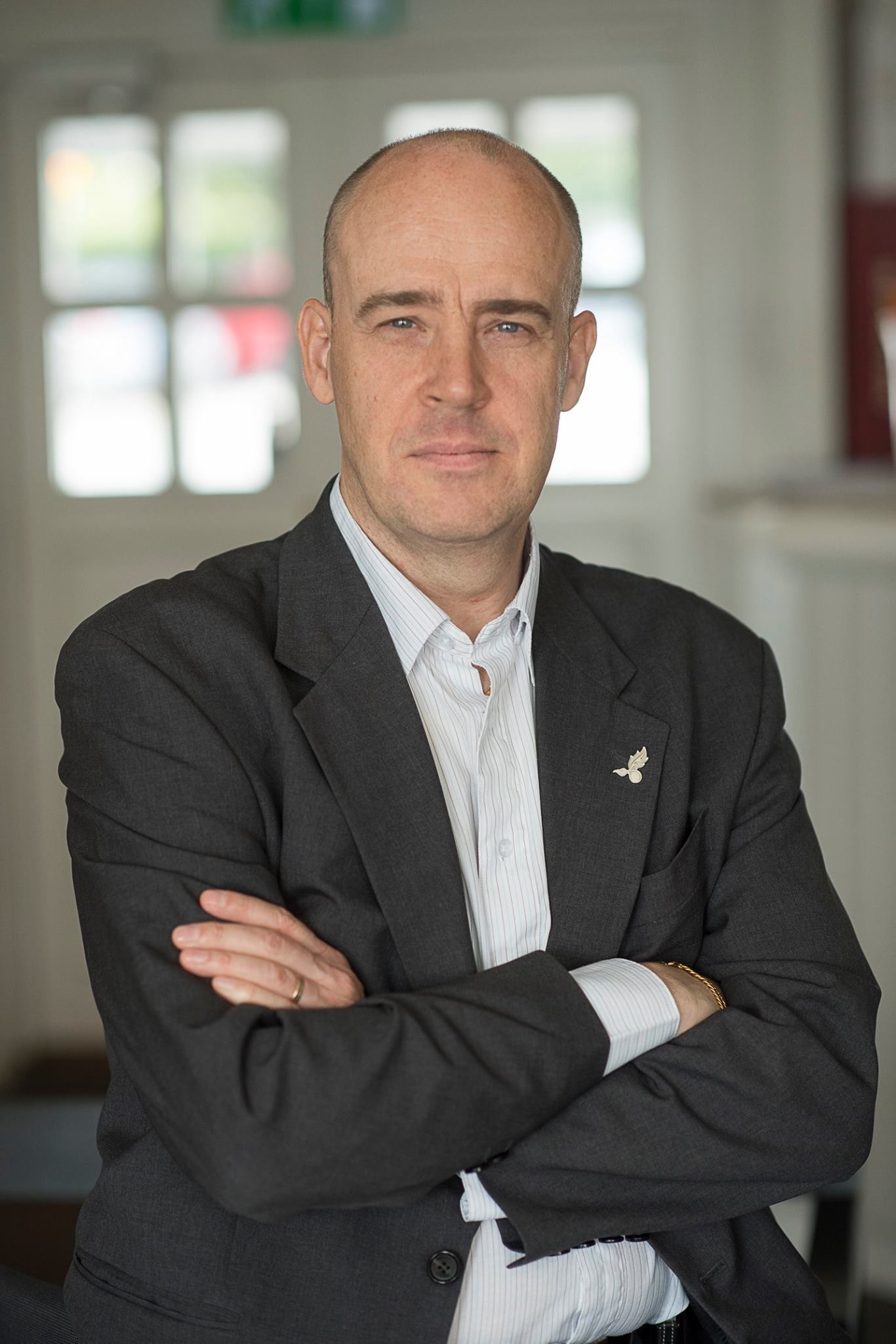
Written by
Mats Kallmyr
Mats is a business angel and partner at Stockholms Affärsänglar (since 2015) and has mentored around 30 start-ups. He writes here about innovation, start-ups and building companies that last.