


Popular Tags

The Trust Economy: Social Capital as an Innovation Asset in Sweden and Australia
Published by Ever to Excel – Business Angel & Startup Consulting
Introduction
Economists have long studied the relationship between generalised social trust – the degree to which strangers assume good faith in one another – and economic performance. Sweden consistently ranks among the highest-trust societies in the world. That trust is not just a pleasant cultural attribute; it is a genuine efficiency mechanism inside its startup ecosystem.
What High Trust Actually Saves You
In a high-trust environment, contracts can be simpler, initial meetings require less due diligence before genuine information sharing begins, and competitors are more willing to collaborate on shared infrastructure or standards when it benefits the whole ecosystem. Every one of these is a direct efficiency gain – less time and legal cost spent protecting against bad faith that experience suggests is statistically less likely.
How This Shows Up in Sweden’s Startup Ecosystem
Swedish business angel networks are notable for information sharing between investors who are technically competing for the same deals – a level of collaboration that a lower-trust environment would find commercially risky. Founders, similarly, often share hard-won operational lessons openly within Stockholm’s startup community, accelerating collective learning across the ecosystem rather than hoarding insight as competitive advantage.
Australia’s Trust Profile
Australia also scores well on international trust indices, though its startup ecosystem is more geographically fragmented across multiple cities, which naturally limits the density of trusted relationships any individual founder or investor can build compared to a single concentrated hub like Stockholm. This is a structural, not cultural, limitation – Australians are not less trusting; the ecosystem is simply more spread out.
Building Trust Deliberately, Not Just Hoping for It
Trust at ecosystem scale can be deliberately cultivated through recurring, structured opportunities for founders and investors to interact outside formal transactions – regular meetups, shared physical co-working spaces, and transparent public information about deal terms and outcomes that reduce the information asymmetry that breeds suspicion.
Practical Recommendations
- Ecosystem builders: invest in recurring, low-stakes gathering formats that let trust develop naturally over repeated interaction, rather than relying solely on formal pitch events.
- Investors: default toward information sharing with co-investors where possible – the efficiency gains for the whole ecosystem tend to outweigh narrow competitive concerns.
- Founders: contribute openly to ecosystem knowledge sharing – the reputational trust this builds compounds over a founder’s career, well beyond any single company.
Conclusion
Trust is not a soft, unmeasurable cultural nicety – it is a genuine efficiency asset that reduces transaction costs across an entire innovation ecosystem. Sweden’s high-trust culture, concentrated within a single dominant startup hub, gives it a structural advantage that Australia can partially replicate through deliberate, sustained investment in the recurring interactions that build trust over time.
About Ever to Excel: We are a specialised business angel consultancy advising startups, investors and incubators across Sweden and Australia, with particular insight into ecosystem trust and collaboration models. For more information, visit www.evertoexcel.biz
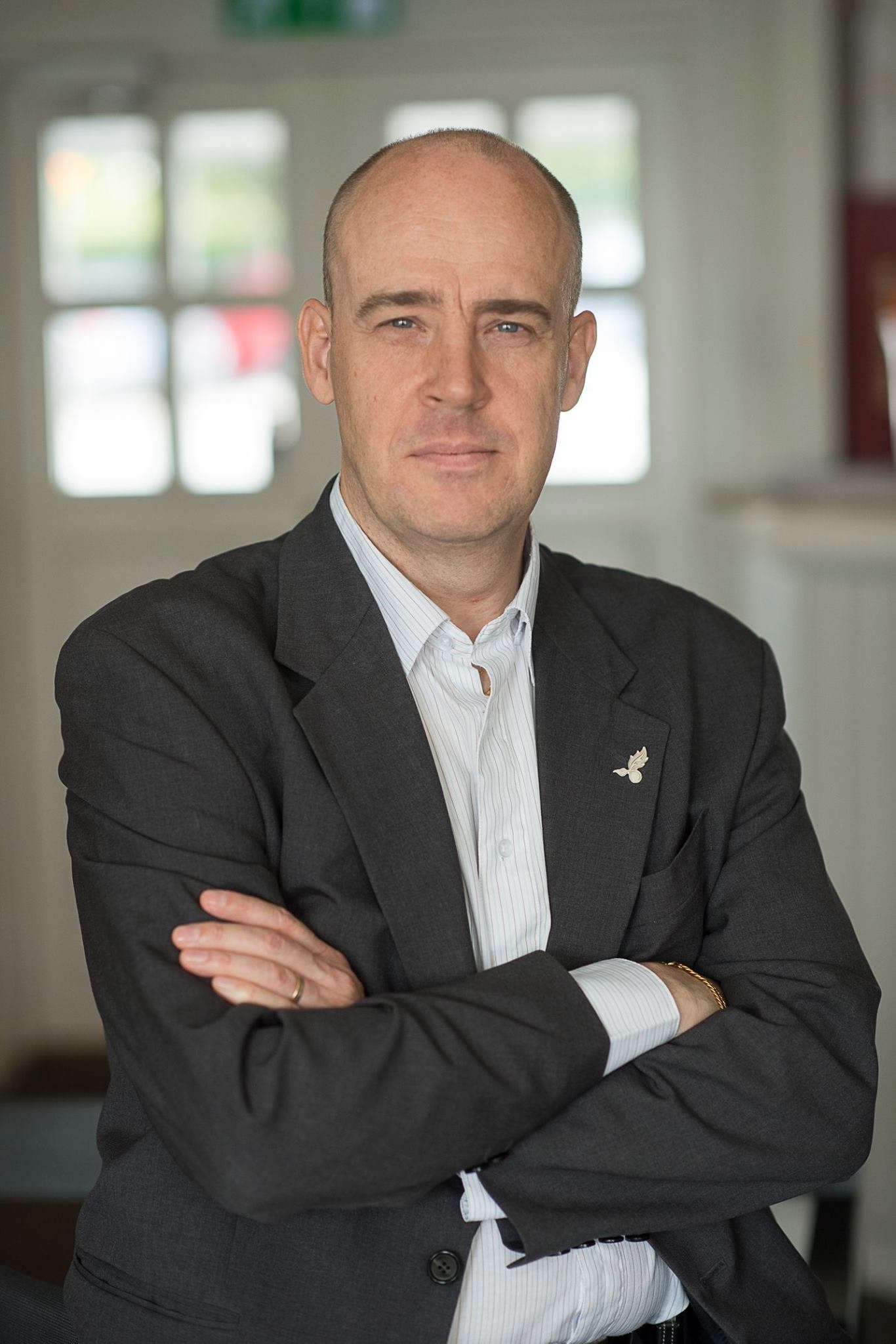
Written by
Mats Kallmyr
Mats is a business angel and partner at Stockholms Affärsänglar (since 2015) and has mentored around 30 start-ups. He writes here about innovation, start-ups and building companies that last.